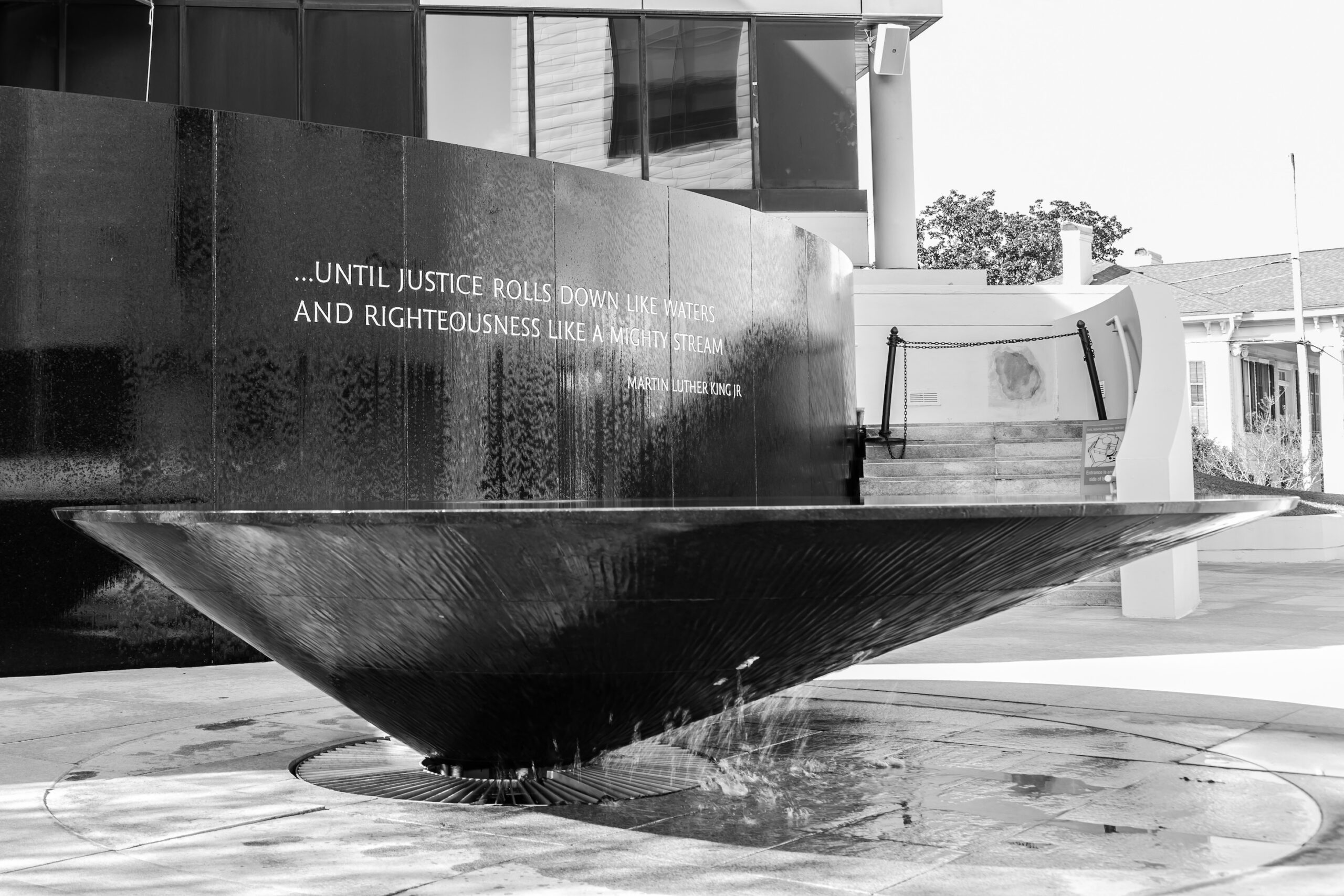
The Southern Poverty Law Center (SPLC) is a nonprofit 501(c)(3) organization headquartered in Montgomery, Alabama well-known for its efforts in advancing civil rights and racial justice, particularly in the South. Over the past several decades, the SPLC was particularly known for monitoring the Klu Klux Klan (KKK) and other extremist hate groups, including through the use of informants paid by the SPLC to infiltrate these groups. To protect the safety of the informants and the infiltration operations, the SPLC may have set up systems (perhaps including the establishment of shell entities) to avoid SPLC payments going directly to the informants, which should be of no surprise to any reasonably informed person (or anyone who watches movies).
On April 21, 2026, the SPLC was charged by a federal grand jury in Alabama with 11 counts of wire fraud, false statements to a federally insured bank, and conspiracy to commit concealment money laundering. These charges appear to be based on the payments to informants being characterized as payments to individuals who were associated with various violent extremist groups. There doesn’t appear to be any analysis in the indictment about how else you can pay informants to infiltrate these groups (an extremely dangerous job) without allowing them to associate with the groups. But some right-wing commentators have offered that the SPLC was using donated funds to support the extremist groups so that SPLC would continue to have a reason to exist.
That would be like an antiterrorism initiative funding terrorists so the antiterrorism people can make more money. Well … maybe that’s more plausible in the for-profit corporate world (and increasingly the political world) where money rules, but I’ve got to believe that the vast majority of nonprofits are different and operated with legal and public safeguards against something so despicable and horrendous.
Of course, the overwhelming likelihood is that the charges against SPLC are politically motivated and a product of the weaponization of the Justice Department. And SPLC was probably targeted because (1) it has long been a thorn in the side of right-wing extremist groups, including various KKK factions; (2) it has grown its net assets to over $780 million (according to its latest Form 990); and (3) it has increased its political influence, including through its affiliated 501(c)(4) organization, the SPLC Action Fund, and its PACs.
But SPLC may have also been targeted because it had some high-profile vulnerabilities, some of which are documented on its Wikipedia page (which, of course, must be viewed with an understanding that typical crowdsourced wiki entries can be falsely manipulated from time to time). These vulnerabilities included leadership issues, workplace issues, governance issues, and a decision to hold very large amounts of reserves in the form of a quasi-endowment (not subject to true endowment spending restrictions). SPLC’s latest Form 990 reflects a year-end endowment balance of over $738 million, with nearly 99.4% not being legally restricted from current use as a true endowment.
Grants from Donor Advised Funds
Fidelity Charitable, Vanguard Charitable, and DAFGiving360 (affiliated with Charles Schwab) have all prohibited grantmaking from their donor advised funds to SPLC. Their rationales appear to be based on what they perceive to be standard grantmaking due diligence, fiduciary duties, and internal policies regarding prospective grantees under criminal investigation or indictment. According to this article in The New York Times:
“Fidelity Charitable is aware of an ongoing governmental investigation into Southern Poverty Law Center,” according to an email it sent to a donor. “Consistent with our grant-making standards and practices, the organization is not an eligible grant recipient during the ongoing investigation.” … Vanguard Charitable sent a similar message when denying a grant request: “The organization has had allegations and/or charges brought against them for activities that may call into question their ability to carry out their tax-exempt charitable purpose.”
ln response, the San Francisco Foundation voiced its continuing support of SPLC in this article from the Foundation’s CEO, Fred Blackwell:
At the San Francisco Foundation, we will continue to allow our donors to make grants to the Southern Poverty Law Center and other nonprofits fighting for civil rights, as many have done over the years. That will not change. We will always stand up for our community’s needs – as we have done throughout our history. We are guided by our values and by our donors, not shifting political winds.
The SPLC has spent more than fifty years doing some of the most consequential civil rights work in American history. They won major legal battles against the Ku Klux Klan, shutting down the largest white supremacy organization in the United States. They have tracked, named, and fought violent hate groups when few others would.
Giving platforms are not acting neutrally when they cut off access to charitable resources based solely on a charge, before any court has weighed the facts. They are imposing a penalty in advance of due process, reinforcing the very deterrent effect such prosecutions are intended to produce, and weakening civil society in the process.
Only a few other community foundations and DAF sponsoring organizations joined the San Francisco Foundation in publicly expressing their support of SPLC. Democracy Fund’s sign-on letter standing with SPLC and criticizing DAF sponsoring organizations that preemptively decline to process contributions to civil rights organizations under similar political circumstances has over 120 signatories (some anonymous) according to The Nonprofit Times.
Coalition of State Attorneys General
While the nonprofit community may not have yet rallied around SPLC and against the DAF sponsoring organizations affiliated with massive financial services corporations that have decided to restrict any grantmaking to SPLC, a coalition of 16 State Attorneys General have weighed in with perhaps as much support as they could possibly offer. On May 21, 2026, they sent this extraordinary letter to Fidelity Charitable, DAFGiving360, and Vanguard Charitable providing in pertinent part:
We write to express our concern regarding the decision by Vanguard Charitable Endowment Program, Fidelity Investments Charitable Gift Fund, and Donor Advised Charitable Giving, Inc. to stop or restrict payments to the Southern Poverty Law Center (“SPLC”) following a highly contested indictment by the U.S. Department of Justice (“DOJ”). As attorneys general, many of us are the chief regulators of nonprofits, charities, and charitable trusts in our states, and serve as representatives of the public and donor intent.1 This decision raises serious concerns that you are allowing the DOJ’s selective political targeting of a charity to impact your donor-advised giving decisions.
This indictment follows President Trump’s September 2025 directive to the DOJ to investigate and potentially prosecute organizations and entities, including nonprofits and charities, that support or fund causes and activities contrary to a political agenda—in blatant violation of charities’ First Amendment rights to free speech and free association. The indictment follows a broader pattern of targeting nonprofits and charitable organizations that oppose the administration’s extremist ideology and actions with threats of prosecution, investigations, revocation of exempt status, funding disruptions, and other consequences.
There are reports that the Trump Administration ordered the DOJ to rush the indictment of SPLC despite concerns about the weakness of the case. We are concerned that your actions will contribute to allowing sham investigations or politically motivated proceedings to suppress, chill, or dismantle organizations doing important work on behalf of civil rights, public safety, and democracy for simply exercising their protected First Amendment rights. News reports have also noted your nondisclosure of other nonprofits to whom you have paused donations, amplifying concerns that you may be helping to further the administration’s blatant viewpoint discrimination campaign.
Institutions that administer donor-advised funds have an important role to play in protecting charitable giving from politicization and infringement on the First Amendment rights of charities and the donors who support them. We urge you to reconsider your actions and policies that would undermine donor intent and advance a broader effort to weaponize government power against disfavored nonprofit organizations simply for exercising their protected First Amendment rights.
This letter may be just the type of support that allows grantmakers (not only DAF grantmakers), many of whom are in positions where they can exemplify more courage against a hostile government, to not have their grantmaking decisions in furtherance of their charitable missions defeated by political threats and rhetoric. Yes, reasonable and appropriate pre-grantmaking due diligence is important, but there are times when civil society must stand up and rely on the rule of law, particularly when there are political and discriminatory threats to their lawful missions and activities.
May 27, 2026 Update
SPLC’s Memorandum in Support of its Motion to Dismiss the Indictment for Vindictive Prosecution